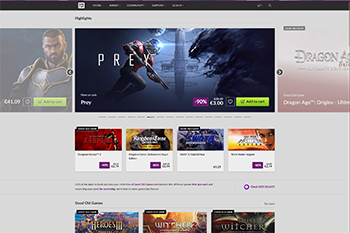
GOG's Future Secured: Co-founder Buys Back Platform, DRM-Free Promise Intact
In an era where the digital gaming landscape is dominated by mandatory clients, restrictive licenses, and a constant fear of game removals, a beacon of true digital ownership has not only survived but thrived. For some time, discussions about whether GOG going out of business might be a looming threat have occasionally surfaced, fueled by industry trends or simple speculation. However, recent developments emphatically put those rumors to rest. Far from facing closure, GOG (Good Old Games) has just announced a pivotal change that secures its foundational principles and promises a vibrant future: its original co-founder has reacquired the platform from CD Projekt, doubling down on its commitment to DRM-free gaming and game preservation.
This isn't merely a corporate restructuring; it's a powerful reaffirmation of GOG's core identity. For gamers who cherish their digital libraries and believe in owning what they buy, this news signals a renewed dedication to values that are increasingly rare. It underscores the unique position GOG holds in the market as a digital storefront built on trust, transparency, and a profound respect for player rights. This strategic move ensures that GOG remains a vital alternative, offering a different path in how we experience and collect our games, free from the digital shackles often imposed by other platforms.
The Homecoming: Co-founder Reacquires GOG from CD Projekt
The news that has invigorated the gaming community is the acquisition of GOG by its co-founder, Marcin Iwiński. In a significant move, Iwiński has purchased the preservation-focused game marketplace from CD Projekt, the company he also co-founded, for $25.2 million. This isn't just a financial transaction; it's a symbolic homecoming, bringing GOG back under the direct stewardship of one of its original visionaries. The platform, which launched in 2008 as a subsidiary of CD Projekt, is now charting its independent course, albeit with continued close ties to its former parent company.
This separation from CD Projekt marks a new chapter for GOG, allowing it to potentially streamline its operations and focus even more intently on its specific mission without being directly tied to the broader corporate strategies of a major game developer. While GOG has always operated with a degree of autonomy, this acquisition provides a clearer mandate and dedicated resources to pursue its unique niche. It signals a strong belief in the viability and necessity of GOG's model, especially in a market that often overlooks the value of true digital ownership and historical game preservation. For more details on this pivotal shift, you might be interested in our article: GOG Leaves CD Projekt: Co-founder Doubles Down on DRM-Free Mission.
Doubling Down on DRM-Free: A Core Philosophy Reaffirmed
At the heart of GOG's identity lies its unwavering commitment to DRM-free (Digital Rights Management-free) gaming. This isn't just a feature; it's a philosophy that has defined the platform since its inception. The announcement following the acquisition made it clear that this principle is now "more central to GOG than ever."
Marcin Iwiński and Michał Kiciński initially conceived GOG in 2007 with a simple, yet revolutionary, vision: to bring classic games back to players and ensure that once a game is purchased, it truly belongs to the buyer, forever. In a market where digital licenses often feel like extended rentals, GOG offers a refreshing alternative. When you buy a game on GOG, you receive a downloadable installer that can be backed up, installed, and played offline without needing a constant internet connection or a specific client to run. This means:
- True Ownership: You own the game file, not just a license to access it.
- Offline Playability: Enjoy your games anytime, anywhere, without internet restrictions.
- Future-Proofing: Even if GOG's servers were to cease, your downloaded games remain yours.
- No Mandatory Clients: While GOG Galaxy offers convenience, it's entirely optional.
This renewed focus on DRM-free principles is a powerful statement. It acknowledges that in an ecosystem increasingly defined by mandatory clients, closed ecosystems, and the potential for delisting digital content, the GOG model feels more relevant and vital than ever before. It's a stand against the transient nature of many digital purchases, offering permanence and peace of mind to gamers who value their collections.
What This Means for Gamers: Preservation, Choice, and Confidence
The acquisition and the reaffirmation of GOG's mission carry significant implications for its user base and the broader gaming community. This new chapter isn't just about maintaining the status quo; it's about amplifying GOG's unique value proposition and expanding its influence.
Continued Game Preservation Efforts
One of GOG's foundational pillars is its dedication to game preservation. The platform has tirelessly worked to revive classic PC titles, often undertaking the complex task of patching and optimizing old games to run on modern operating systems. This commitment is set to intensify. The announcement explicitly states a desire to "do more to preserve the classics of the past," ensuring that iconic titles from gaming history remain accessible and playable for future generations. This is invaluable work, safeguarding cultural artifacts that might otherwise be lost to technological obsolescence.
A Home for Standout Games and Retro Spirit
Beyond classics, GOG also aims to "celebrate standout games of today" and "help shape the classics of tomorrow, including new games with real retro spirit." This indicates a continued commitment to offering a curated selection of modern titles that align with GOG's values, as well as providing a platform for independent developers creating games with a nostalgic feel or a focus on quality, rather than constant online connectivity.
Stable Relationship with CD Projekt Titles
A crucial point for many gamers is GOG's relationship with CD Projekt's acclaimed titles. Concerns about games like The Witcher series and Cyberpunk 2077 potentially leaving the platform are unfounded. The acquisition won't change GOG’s relationship with its former parent company; CD Projekt will continue to sell its existing and upcoming games on the marketplace. This ensures that fans of CD Projekt's franchises can still enjoy their favorite titles with the added benefit of GOG's DRM-free policy, reinforcing the platform's diverse catalog.
In essence, this move provides gamers with greater confidence in GOG's longevity and its ability to continue offering a distinct, player-centric experience. It reinforces the idea that there are viable alternatives to the more dominant digital distribution models, emphasizing consumer rights and the long-term value of digital purchases. For more on this new era, explore: GOG's New Era: Acquired by Co-founder, Strengthening DRM-Free Legacy.
Dispelling the Myth: Why This Means GOG Is NOT Going Out of Business
Let's address the elephant in the room directly: the pervasive concern about "gog going out business." This acquisition should put those fears to rest. Far from indicating a struggle or decline, this move signals immense stability, a renewed focus, and a strong belief in GOG's unique market position. When a co-founder invests over $25 million to reacquire a platform, it's a testament to its perceived value and future potential, not a sign of impending failure.
The gaming industry is dynamic, and smaller platforms often face challenges competing with giants like Steam, Epic Games Store, or console marketplaces. However, GOG has carved out a very specific niche that resonates deeply with a segment of the gaming population. It's not trying to be everything to everyone; instead, it focuses on what it does best: providing DRM-free games and preserving gaming history. This clarity of mission, now reinforced by independent ownership, is a strength. It allows GOG to concentrate its resources and efforts on serving its dedicated user base without dilution.
Furthermore, the continued support for CD Projekt titles ensures a steady stream of high-profile games alongside its growing catalog of classics and indie gems. This diverse offering, coupled with a strong ethical stance on digital ownership, positions GOG not as a platform struggling for survival, but as a robust, principled alternative that is securing its long-term future. This is a story of rebirth and strategic alignment, not a cautionary tale of closure.
The Future of Digital Game Ownership: GOG's Enduring Legacy
GOG's reacquisition by its co-founder is more than just a business transaction; it's a significant event for the broader discussion surrounding digital game ownership and consumer rights. In a world increasingly moving towards subscription models and platform-locked libraries, GOG stands as a crucial counterpoint, advocating for enduring ownership and freedom of play.
This move highlights the enduring demand for platforms that prioritize consumer interests. As digital content becomes the norm, the question of who truly owns what we "buy" online becomes more critical. GOG's model provides a tangible answer: you do. This philosophy fosters trust and loyalty, creating a community of gamers who understand and appreciate the value of an unencumbered digital experience.
Looking ahead, GOG is poised to strengthen its legacy as a guardian of gaming history and a champion of player autonomy. By doubling down on its DRM-free promise and redoubling its efforts in game preservation, it continues to offer a vital alternative that enriches the gaming ecosystem. It's a powerful reminder that there's room for diverse business models in digital distribution, especially those built on strong principles and a commitment to their community.
Conclusion
The recent acquisition of GOG by its original co-founder, Marcin Iwiński, for $25.2 million from CD Projekt, marks a triumphant new chapter for the beloved DRM-free platform. This strategic move emphatically puts to rest any whispers about GOG going out of business, instead signaling a robust future anchored in its core values. With a renewed commitment to its founding principles of true digital ownership and unparalleled game preservation, GOG is set to expand its efforts in bringing back classics, supporting modern titles with a retro spirit, and ensuring that gamers truly own what they buy.
This isn't just good news for GOG; it's a win for all gamers who believe in choice, control, and the enduring value of their digital libraries. As GOG embarks on this independent journey, its unique position in the digital marketplace is solidified, promising a stable and principled alternative for years to come. The future for GOG, its community, and the timeless games it champions, has never looked more secure or more promising.